Diagnosis first
Revelium is built to explain UI drift and locator failures before teams reach for brittle retries or hidden healing behavior.
Quality Engineering Architect · Mobile · API · AI Systems · Distributed Platforms
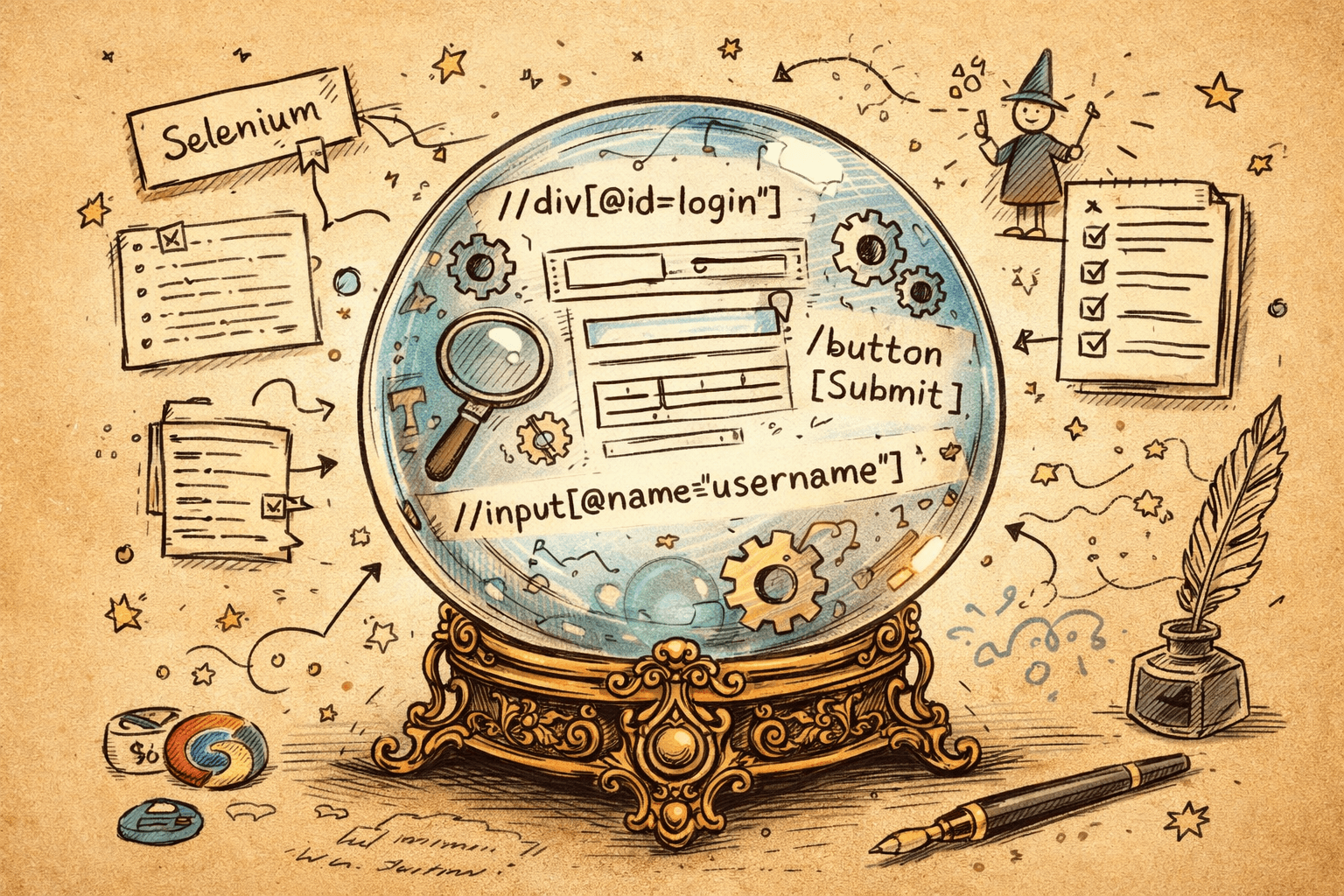
Revelium is a focused Selenium diagnostic layer that reveals why a locator failed, what still exists in the DOM, and what probably changed in the UI.
Product Scope
Revelium is not trying to become a general Selenium framework. It exists to add context at the exact moment a locator fails, then hand control back to the existing automation flow.
Revelium is built to explain UI drift and locator failures before teams reach for brittle retries or hidden healing behavior.
The core product stays intentionally small: Selenium runtime integration, failure snapshots, candidate analysis, heuristic ranking, and local reports.
When a locator fails, Revelium captures current context, ranks nearby alternatives, saves machine-readable output, and re-raises the original exception.
How It Works
Capture page source and current URL at failure time
Build a failure snapshot with action, locator, hint, and timestamp
Extract relevant DOM candidates and score them with simple heuristics
Save a local report and optional DOM snapshot before re-raising the original Selenium error
Heuristics used in the MVP
The heuristics stay intentionally simple. Revelium helps teams understand failure drift before leaning on hidden magic.
Public API
pip install revelium

rv.click(By.ID, "submit-login", hint="login button"){
"action": "click",
"locator": {
"by": "id",
"value": "submit-login"
},
"hint": "login button",
"page_url": "https://example.com/login",
"revealed_candidates": [
{
"locator": "[data-testid='login-submit']",
"score": 0.93,
"reasons": [
"attribute similarity",
"button-like element",
"hint match"
]
}
],
"probable_cause": "Locator drift after UI change"
}Current Status
Revelium is currently a work in progress. The product direction is already visible, but the package surface, heuristics, and runtime ergonomics are still being refined.
Follow progress on GitHubExperimental Healing
Revelium can optionally suggest a candidate or attempt an auto-heal, but that behavior remains experimental. The product concept is diagnosis first, not invisible recovery.
Product Boundary
Assisted capture, page discovery, and page mapping workflows are being kept outside Revelium on purpose. That keeps runtime diagnosis lean while Tabula QA handles pre-automation exploration.
View Tabula QAPositioning
Revelium fits QA, SDET, and platform contexts where frontend drift breaks stable suites and faster failure diagnosis matters more than another opaque exception.
Interested in Revelium? Want a tailored implementation for your team?